What to Eat to Feel Full on a 50 Dollar a Week Budget

We hope you enjoy reading this blog post. Ready to upgrade your body? Try Mofilo Free
By Mofilo Team
Published
Eating on a tight budget feels like a trap. You buy cheap food to save money, but you're hungry an hour later. This guide explains what to eat to feel full on a 50 dollar a week budget, not by eating less, but by eating smarter.
Key Takeaways
- The key to feeling full is the "Satiety Trio": aim for 20-30g of protein per meal, 25-30g of fiber per day, and high-volume, water-rich foods.
- A $50 weekly budget breaks down to $7.14 per day, or about $2.38 per meal. This is completely achievable with a plan.
- Your shopping list should be built on the cheapest, most filling foods: eggs, oats, potatoes, lentils, beans, and frozen vegetables.
- Stop cooking every day. Cook your core ingredients in 3 big batches per week to assemble meals in under 5 minutes.
- Spices are a one-time investment that saves you hundreds. A $5 spend on garlic powder, paprika, and chili powder prevents the food boredom that leads to a $20 takeout order.
The Satiety Trio: Why Your "Cheap" Diet Is Failing
To understand what to eat to feel full on a 50 dollar a week budget, you first need to understand why you're always hungry. It's not your fault; it's the food. You're likely eating cheap foods that are high in calories but low in satiety, like instant ramen, white pasta, or cheap bread. They give you a quick energy spike and then a crash, leaving you hungry and tired an hour later.
Feeling full isn't about the quantity of food; it's about the quality. The solution is the "Satiety Trio": Protein, Fiber, and Volume.
Pillar 1: Protein
Protein is the single most important nutrient for satiety. It takes your body the longest to digest, which means it stays in your stomach longer, keeping you feeling full. It also helps stabilize blood sugar, preventing the crashes that trigger hunger.
Your goal is to get at least 20-30 grams of protein with every meal. On a budget, this means leaning heavily on eggs, lentils, beans, chicken thighs (not breasts), and tofu.
Pillar 2: Fiber
Fiber is the structural part of plants that your body can't digest. It does two things: it slows down digestion even more, and it adds bulk to your food, physically filling up your stomach. A diet high in fiber is a diet that keeps you full for hours.
Aim for 25-38 grams of fiber per day. The best budget sources are oats, potatoes (with the skin), beans, lentils, and any and all vegetables, especially frozen ones which are cheap and last forever.
Pillar 3: Volume
Volume refers to the amount of space food takes up in your stomach for a given number of calories. Foods high in water and fiber have high volume. Think about it: 200 calories of potato (baked, about half a large potato) is far more filling than 200 calories of potato chips (a small handful).
Focus on foods that are heavy for their size. A head of cabbage, a bag of potatoes, or a pot of cooked oatmeal are all high-volume foods that will physically fill you up for very few dollars and calories.

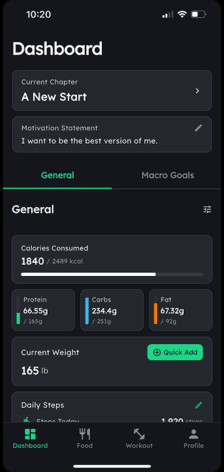
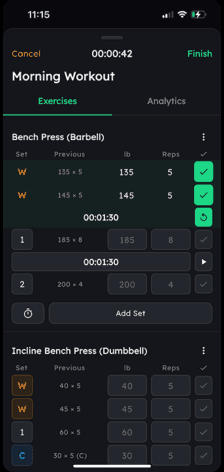
Stop guessing what to eat.
Track your food. Know you're hitting your numbers to stay full.
No commitment · Cancel anytime
Your $50 "Feel Full" Grocery List
This isn't a suggestion. This is your list. Walk into the store with this and don't deviate. Prices are approximate and will vary, but this framework is solid. This list will buy you about 21 meals.
Protein (~$20)
- One dozen large eggs: ~$3.00
- 2 lbs chicken thighs (bone-in, skin-on is cheapest): ~$6.00
- 1 lb dry lentils: ~$2.00
- 1 lb dry black beans: ~$2.00
- 1 block of extra-firm tofu: ~$2.50
- 2 cans of tuna in water: ~$2.50
- 16oz container of plain Greek yogurt (if budget allows, for protein & creaminess): ~$2.00
Carbohydrates & Fiber (~$15)
- Large container of rolled oats (42 oz): ~$4.00
- 5 lb bag of potatoes (russet or yellow): ~$5.00
- 2 lb bag of brown rice: ~$3.00
- 1 loaf of 100% whole wheat bread: ~$3.00
Vegetables & Fruit (~$10)
- 2 lb bag of frozen mixed vegetables (peas, carrots, corn, green beans): ~$4.00
- 1 large head of cabbage: ~$3.00
- 1 bunch of bananas (about 5-6): ~$2.00
- 1 large yellow onion: ~$1.00
Fats & Flavor (~$5)
- This section assumes you have basics like oil, salt, and pepper. If not, this is your first priority.
- Garlic powder, paprika, chili powder: ~$3.00 (one-time investment)
- Large bottle of cheap hot sauce: ~$2.00
Grand Total: ~$50.00
This list is the foundation. It provides thousands of calories, over 100 grams of protein per day, and tons of fiber. It is designed for maximum satiety per dollar.
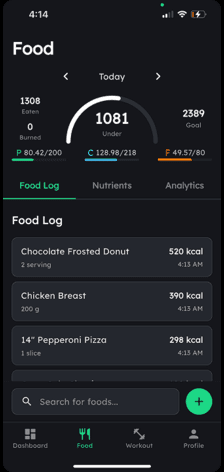
Your budget-friendly meals. On track.
No more guessing if you ate enough. See your protein and calories daily.
No commitment · Cancel anytime
How to Turn Your Groceries Into Meals
The secret to not hating your life on a budget is to stop thinking in terms of "meal prep." You are not making 7 identical sad lunches. You are batch-cooking ingredients to assemble meals quickly.
This requires one 2-3 hour block of time per week. Put on music or a podcast and get it done.
Batch 1: The Proteins
- Hard-boil the eggs: All 12 of them. This is your instant protein snack or meal-topper. They last all week in the fridge.
- Bake the chicken thighs: Season generously with salt, pepper, and garlic powder. Bake at 400°F (200°C) for 30-40 minutes until cooked through. Let them cool, then pull the meat off the bone.
- Cook the lentils and beans: If you're new to this, lentils are easier. Simmer 1 cup of dry lentils in 3 cups of water for 20-25 minutes. They are now ready to be added to anything.
Batch 2: The Carbs
- Cook the rice: Cook the entire 2lb bag. It will seem like a lot. It is. Store it in a large container in the fridge.
- Bake the potatoes: Wash them, poke them with a fork, and bake them at 400°F (200°C) for an hour. They are now ready to be microwaved for a quick meal base.
Batch 3: The Vegetables
- Roast or steam the frozen veggies: A big sheet pan of roasted vegetables is easy. Toss with a little oil and salt, roast at 400°F for 20 minutes.
- Shred the cabbage: Cut the head in half and slice it thinly. This is now a base for slaw (add a little yogurt/vinegar) or a crunchy addition to any dish.
Assembling Your Meals
Now, you just combine components. There are no strict rules.
- Breakfast Idea: A bowl of oatmeal (made with water) topped with a sliced banana. Have 2 hard-boiled eggs on the side. (30g protein, 10g fiber)
- Lunch Idea: A scoop of rice, a scoop of lentils, a scoop of roasted vegetables, and a handful of shredded chicken. Top with hot sauce. (40g protein, 15g fiber)
- Dinner Idea: A baked potato, split open and filled with black beans, a dollop of Greek yogurt, and a side of shredded cabbage slaw. (25g protein, 15g fiber)
- Snack Idea: 2 hard-boiled eggs, a banana, or a piece of whole wheat toast with a thin layer of butter.
Common Mistakes That Keep You Hungry and Broke
Mistake 1: Buying "Snack Foods"
Chips, granola bars, and crackers are budget-killers designed to make you hungrier. A $5 bag of chips has the same calories as 10 eggs but zero satiety. Your snacks are now hard-boiled eggs, bananas, and maybe a small bowl of oats. It's boring, but it works.
Mistake 2: Fearing Carbs
You've been told carbs make you fat. That's wrong. Refined carbs with no fiber (white bread, sugar) are the problem. Whole food carbs like potatoes, oats, and beans are your cheapest source of energy and fiber. They are your best friends on this plan.
Mistake 3: Neglecting Flavor
Eating bland chicken and rice for 3 straight days is a recipe for a $30 pizza delivery. Salt, pepper, garlic powder, and hot sauce are not optional. They are the tools that make this sustainable. Learn to use them.
Mistake 4: Drinking Your Calories
Juice, soda, and fancy coffees are liquid money-wasters with zero nutritional value. They will spike your blood sugar and leave you hungry. Your only drink is water. It is free and it works.
Frequently Asked Questions
Is it possible to build muscle on this budget?
Yes, but it's hard. The sample list provides around 120-140 grams of protein per day, which is enough for most people to maintain or slowly build muscle. Prioritize eggs, chicken, and Greek yogurt to maximize your protein intake within the budget.
What if I don't have time to cook?
You don't have the budget not to. The 3-hour batch cook on a Sunday afternoon saves you 30-60 minutes every single day of the week. That's a net gain of time, and it saves you from decision fatigue when you're tired and hungry.
How do I handle cravings for junk food?
Plan for them. Use $2 of your $50 to buy a single, high-quality chocolate bar. Have one square after dinner each night. Total deprivation is a strategy for failure. A small, controlled indulgence gives you something to look forward to and maintains discipline.
What is the single most filling food I can buy?
Potatoes. On the satiety index, which measures how full a food makes you feel per calorie, boiled potatoes are ranked #1. They are cheap, versatile, and packed with nutrients. They are the ultimate budget survival food.
What if I hate beans or lentils?
Then you will need to adjust your protein sources. This will likely mean more eggs and chicken thighs, which will increase the cost slightly. You might have to sacrifice something else, like the whole wheat bread, to make the budget work. The principle remains: protein and fiber are mandatory.
Conclusion
Feeling full on a tight budget is a game of strategy, not restriction. By focusing on the Satiety Trio of protein, fiber, and volume, you take control of your hunger. Stop buying cheap junk and start investing in cheap, powerful, whole foods.
All content and media on Mofilo is created and published for informational purposes only. It is not intended to be a substitute for professional medical advice, diagnosis, or treatment. Always seek the advice of your physician or other qualified health provider with any questions you may have regarding a medical condition, including but not limited to eating disorders, nutritional deficiencies, injuries, or any other health concerns. If you think you may have a medical emergency or are experiencing symptoms of any health condition, call your doctor or emergency services immediately.