What to Eat Before a Workout for Energy When You Haven't Tracked

We hope you enjoy reading this blog post. Ready to upgrade your body? Download the app
By Mofilo Team
Published
You're about to head to the gym, but you haven't been tracking your food. You open the fridge, and the big question hits: what do you eat to have a good workout without feeling weak or bloated? This guide gives you the simple, no-math answer.
Key Takeaways
- The best pre-workout meal is a 2:1 ratio of simple carbs to protein, eaten 30-90 minutes before you train.
- Aim for 25-50 grams of fast-digesting carbohydrates for immediate fuel and 10-20 grams of protein to protect muscle.
- Avoid high-fat and high-fiber foods before a workout, as they slow digestion and can cause bloating and sluggishness.
- For early morning workouts, a small, liquid, or easily digestible option like a banana or a few sips of a protein shake is better than nothing.
- Caffeine gives you a mental boost, but it is not a substitute for actual energy from food. Combine it with carbs for the best performance.
The Simple Pre-Workout Fuel Rule (No Tracking Needed)
To figure out what to eat before a workout for energy when you haven't tracked, you just need to follow the 2:1 rule: combine a source of fast-digesting carbohydrates with a smaller source of protein. That's it. No spreadsheets, no calculators, no weighing food down to the gram. You're likely staring into your pantry right now wondering what that actually means. It means grabbing a banana and a scoop of protein powder, or a couple of rice cakes and a cup of Greek yogurt.
Think of it like this: carbohydrates are the high-octane gasoline for your muscles. They provide the quick energy, the ATP, that fuels your lifts and your sprints. Protein is the engine oil. It doesn't provide the primary fuel, but it lubricates the system, prevents breakdown, and ensures your muscles are ready to repair and rebuild after the work is done.
When you haven't tracked your food, you don't need exact numbers, just a solid guideline. Aim for roughly 25-50 grams of carbs and 10-20 grams of protein.
Here’s what that looks like with real food:
- A large banana (30g carbs) and half a scoop of whey protein (12g protein).
- Two slices of white toast (30g carbs) with two scrambled egg whites (7g protein).
- One cup of low-fat Greek yogurt (10g carbs, 20g protein) with a handful of berries.
The goal is to feel energized, not full. This simple combination gives your body exactly what it needs to perform without the mental overhead of macro tracking.

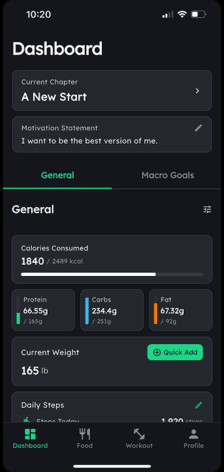
Stop having bad, low-energy workouts.
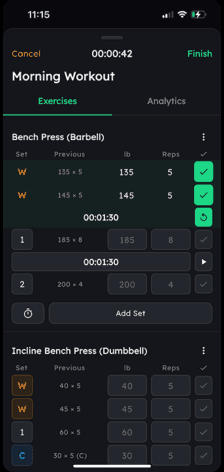
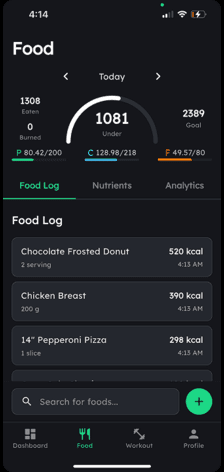
Track your food and lifts. Know you have the fuel to perform your best.
Available on iOS and Android
Why Your Current Pre-Workout Strategy Is Failing
If you're searching for this, you've probably tried a few things that left you feeling worse. You either felt weak and shaky or bloated and sluggish. Both kill a workout. Let's break down the common mistakes so you can stop making them.
Mistake 1: Working Out Completely Fasted
Some people think training on an empty stomach is a shortcut to fat loss. It's not. It's a shortcut to a terrible workout. When your muscle glycogen (stored carbs) is low, your strength, power, and endurance all drop. Your body may also break down more muscle tissue for energy, which is the exact opposite of what you want. A small, smart snack will lead to a better workout, which burns more calories and builds more muscle in the long run.
Mistake 2: Eating a "Healthy" but Slow-Digesting Meal
You ate a big salad with chicken, avocado, nuts, and a ton of veggies. It's healthy, right? Yes, but it's terrible pre-workout fuel. Fat and fiber are the enemies of performance. They take hours to digest, pulling blood flow to your stomach and away from your muscles. This can leave you feeling heavy, bloated, and lethargic. Save the high-fat, high-fiber meals for 3-4 hours after your workout.
Mistake 3: Relying Only on a Protein Shake
You chug a scoop of whey protein and head out the door. While protein is crucial for muscle repair, it's a very inefficient energy source. Your body has to work hard to convert protein into usable fuel, a process called gluconeogenesis. Without carbs, you'll feel flat and lack that explosive energy needed for heavy sets. A protein shake is part of the solution, not the whole solution.
Mistake 4: Grabbing a Random "Energy" Bar
Most snack bars are glorified candy bars loaded with fat, fiber, and sugar alcohols. The high fat and fiber content will slow you down, as we just discussed. Sugar alcohols, like erythritol or sorbitol, are notorious for causing gas, bloating, and stomach cramps during a workout. Always check the label. If it has more than 5-8 grams of fat or fiber, it's not a good pre-workout choice.
Your workout energy. Solved.
See how your food impacts your lifts. Get stronger every single week.
Available on iOS and Android
Your Pre-Workout Playbook: What to Eat and When
Forget the confusion. Here is a simple, step-by-step playbook you can use today, using foods you probably already have. The goal is to combine one item from the carb list with one from the protein list.
Step 1: Pick Your Carb Source (25-50g)
This is your fuel. Choose something that's low in fiber and fat. The simpler, the better.
- Large Banana: ~30g carbs. The classic for a reason. It's cheap, portable, and digests easily.
- 2 Rice Cakes: ~14g carbs. Very light on the stomach. Add a thin layer of jam for another 10g of carbs.
- 1/2 Cup (Dry) Oatmeal: ~27g carbs. A fantastic option if you have an hour or more before your workout.
- 1 Slice of White Bread: ~15g carbs. Yes, white bread. It digests faster than whole wheat, which is what you want here. Two slices give you 30g.
- A Handful of Pretzels: ~23g carbs. Salty, simple, and effective.
- 1/2 Cup Applesauce: ~25g carbs. Easy to get down and digests very quickly.
Step 2: Add Your Protein Source (10-20g)
This protects your muscles. Again, keep it lean and simple.
- 1/2 to 1 Scoop Whey/Casein/Vegan Protein Powder: ~12-25g protein. The easiest and most efficient option.
- 1 Single-Serving Container (5.3oz) Low-Fat Greek Yogurt: ~15g protein. Also provides a few carbs.
- 3 Large Egg Whites (cooked): ~11g protein. Ditch the yolks pre-workout to avoid the fat.
- 3oz Deli Turkey: ~18g protein. Quick and easy if you're in a pinch.
Step 3: Nail the Timing (30-90 Minutes Before)
Timing is just as important as the food itself. The closer you are to your workout, the simpler and more liquid your meal should be.
- If you have 60-90 minutes: You can have a more solid meal, like oatmeal with protein powder mixed in, or toast with egg whites.
- If you have 30-45 minutes: Stick to something that digests faster. A protein shake with a banana blended in is perfect. Rice cakes with a side of Greek yogurt also works well.
- If you have less than 30 minutes: Keep it very simple. A few sips of a protein shake or a handful of pretzels is better than nothing. Your goal is just to get some quick sugar into your system.
Special Situations and What to Expect
Life isn't perfect, and neither is your workout schedule. Here’s how to adapt the rules for common scenarios.
What About Early Morning Workouts?
This is the toughest one. Waking up at 5 AM to eat a full meal isn't realistic. The key is to get *something* in your system that's incredibly easy to digest. Your goal is to blunt the catabolic (muscle-breakdown) state from overnight fasting and provide a small spark of energy.
Your best options:
- A small banana.
- A glass of water with half a scoop of protein powder.
- A glass of water with 10 grams of Essential Amino Acids (EAAs). This provides muscle-sparing benefits without any digestion.
- A few rice cakes.
Don't force a big meal. A small, fast-acting snack is all you need to have a productive session without feeling sick.
Does This Change for Cardio vs. Lifting?
Not really. The principle remains the same: carbs for fuel, protein for muscle preservation. For long-duration, steady-state cardio (like a 60-minute run), you might lean more heavily on the carbohydrates. But for High-Intensity Interval Training (HIIT) or heavy weightlifting, the 2:1 carb-to-protein ratio is the sweet spot for both power output and recovery.
What You Should Feel During Your Workout
When you get your pre-workout nutrition right, you should feel energized but light. You won't feel the food sitting in your stomach. You'll have consistent energy throughout your session, without a big crash. Your strength should feel normal and reliable. If you feel bloated or sluggish, you likely ate too much fat, fiber, or simply too large a portion. If you feel weak or dizzy, you didn't eat enough carbohydrates.
Frequently Asked Questions
Is a banana enough before a workout?
A banana is a great source of about 25-30 grams of fast-digesting carbs, making it an excellent pre-workout fuel source. However, adding a small protein source, like half a scoop of whey or a few egg whites, will improve performance and help prevent muscle breakdown.
Can I just drink coffee or a pre-workout supplement?
Caffeine provides mental stimulation and can reduce the perception of effort, but it does not provide your muscles with actual fuel. It's like pressing the gas pedal in a car with an empty tank. For best results, combine your coffee or pre-workout with a carbohydrate source.
What happens if I eat too much fat before a workout?
Eating high-fat foods like nuts, avocado, or cheese before a workout slows down stomach emptying. This can make you feel heavy, bloated, and sluggish, as your body diverts blood to your digestive system instead of your working muscles, killing your performance.
How much water should I drink before a workout?
Dehydration is a primary cause of poor workout performance. Aim to drink 16-20 ounces of water in the 1-2 hours before you train, and another 8 ounces about 20-30 minutes before you start. This ensures your muscles are hydrated and ready to work.
Conclusion
Stop letting the fear of not tracking paralyze you. The perfect pre-workout meal isn't about hitting exact macros; it's about giving your body the right type of fuel at the right time.
Remember the simple rule: 25-50g of simple carbs and 10-20g of lean protein, 30-90 minutes before you train. Now go have a great workout.
All content and media on Mofilo is created and published for informational purposes only. It is not intended to be a substitute for professional medical advice, diagnosis, or treatment. Always seek the advice of your physician or other qualified health provider with any questions you may have regarding a medical condition, including but not limited to eating disorders, nutritional deficiencies, injuries, or any other health concerns. If you think you may have a medical emergency or are experiencing symptoms of any health condition, call your doctor or emergency services immediately.