Slow Cut vs Fast Cut

We hope you enjoy reading this blog post. Ready to upgrade your body? Click here
By Mofilo Team
Published
Deciding between a slow cut vs fast cut is the difference between losing fat sustainably and crashing into a wall of frustration. You've probably been there: you slash calories, feel miserable for two weeks, lose a bit of weight, then rebound harder than ever. It feels like you're either starving or failing, with no middle ground. The truth is, the speed of your diet determines almost everything: how much muscle you keep, how much energy you have, and whether you actually keep the weight off.
Key Takeaways
- A slow cut is a 20-25% calorie deficit, aiming to lose about 0.5% of your body weight per week, which is best for muscle preservation.
- A fast cut is an aggressive 30-40% calorie deficit, aiming to lose 1-1.5% of your body weight per week, and should not last longer than 4-6 weeks.
- For a 200 lb person, a slow cut means a 500-calorie deficit to lose 1 lb per week, while a fast cut means a 1,000-calorie deficit to lose 2 lbs per week.
- You will lose more muscle on a fast cut. The faster you lose weight, the higher the percentage of that weight will be lean tissue, not just fat.
- Protein intake is critical for both. Aim for 1 gram of protein per pound of body weight (or 2.2g per kg) to protect your muscles from being used as fuel.
- Fast cuts require strategic "diet breaks" (1-2 weeks at maintenance calories) to prevent metabolic slowdown and psychological burnout.
What Is the Difference Between a Slow and Fast Cut?
When you're deciding between a slow cut vs fast cut, you are choosing between two different tools for two different jobs. Both involve a calorie deficit, but the size of that deficit changes the entire experience and outcome.
A slow cut is the marathon approach. It's defined by a small, manageable calorie deficit, typically 20-25% below your maintenance calories. This translates to a weight loss rate of about 0.5% of your total body weight per week.
For a 200-pound (91kg) person, this means a deficit of around 500 calories per day to lose roughly 1 pound per week. It’s not dramatic, but it's incredibly effective. The primary goal of a slow cut is to maximize fat loss while minimizing muscle loss. It’s more sustainable, easier on your mental health, and allows you to maintain performance in the gym. This is the right choice for 90% of people.
A fast cut is the sprint. It involves a large, aggressive calorie deficit, often 30-40% or more below maintenance. This leads to a rapid weight loss of 1-1.5% of your body weight per week. For that same 200-pound person, this could mean a deficit of 750-1,000+ calories per day, leading to a loss of 1.5-2 pounds per week.
This approach is designed for short-term goals and should never be done for more than 4-6 consecutive weeks. While you lose weight faster, a significant portion of that can be muscle, not just fat. It comes with major trade-offs: lower energy, increased hunger, poor workout performance, and a higher risk of rebounding.

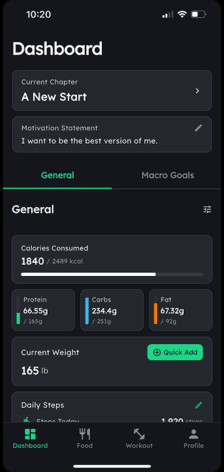
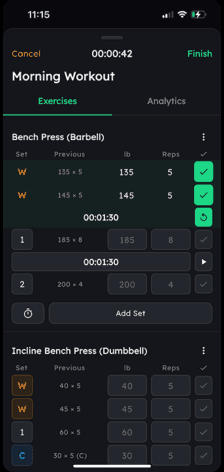
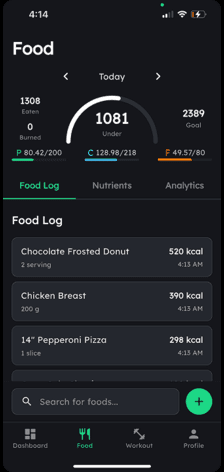
Stop guessing your calorie deficit.
Track your food. Know you are hitting your numbers every single day.
No commitment · Cancel anytime
Why Most "Fast Cuts" Fail
You've seen it happen. Someone wants to get lean for summer, so they go from eating 3,000 calories to 1,500 overnight. They add an hour of cardio every day. For a week or two, the scale drops, and they feel like a genius. Then, the crash comes.
This is the predictable failure cycle of an improperly managed fast cut.
First, your body fights back. A massive calorie deficit is a threat signal. In response, your body's metabolism begins to slow down to conserve energy. Your non-exercise activity thermogenesis (NEAT)-the calories you burn from fidgeting, walking, and daily movement-plummets. You feel lethargic and subconsciously move less.
Second, muscle loss becomes a serious problem. When your body is starved for energy, it doesn't just pull from fat stores. It starts breaking down metabolically expensive tissue for fuel-your hard-earned muscle. Losing 10 pounds sounds great, but if 4 of those pounds are muscle, you've actually worsened your body composition. You end up looking "skinny-fat," not lean and defined.
Third, your gym performance tanks. You can't expect to lift heavy or train with intensity when you're running on fumes. Your strength drops, and this drop in performance sends another signal to your body: "We don't need this muscle anymore." This accelerates muscle loss.
Finally, the rebound is almost inevitable. Extreme restriction creates extreme psychological pressure. After weeks of feeling deprived and miserable, the moment the diet "ends," you're primed for a binge. You haven't learned sustainable habits, only how to suffer. Most people not only regain the fat they lost but often end up heavier than when they started.
Your diet, tracked. Results you can see.
See exactly what’s working. Watch the scale move and your body change.
No commitment · Cancel anytime
How to Choose and Execute Your Cut
Choosing the right strategy isn't about which one is "better," but which one is right for *your* goal, timeline, and experience level. Here’s how to do it correctly.
Step 1: Find Your Maintenance Calories
A cut is defined by eating below your maintenance level-the number of calories you need to maintain your current weight. A simple, effective starting point is to multiply your body weight in pounds by 14-16.
- Formula: Bodyweight (lbs) x 15 = Estimated Maintenance Calories
- Example: A 180 lb person would have an estimated maintenance of 2,700 calories (180 x 15).
This is an estimate. Track your weight for two weeks eating this amount. If your weight is stable, you've found your maintenance. If you gain, it's a bit lower. If you lose, it's a bit higher.
Step 2: Choose Your Path: Slow or Fast?
This is the most important decision. Be honest with yourself.
- A Slow Cut is for you if: You want to preserve as much muscle as possible, you have more than 10-15 pounds to lose, you value consistent energy and gym performance, or you've failed at crash diets before. This is the default, recommended path for almost everyone.
- A Fast Cut is for you if: You are an experienced lifter with a non-negotiable deadline (e.g., a vacation or photoshoot in 4 weeks), you only have 5-10 pounds to lose, and you are mentally prepared for the discomfort. This is an advanced tool, not a starting point.
Step 3: Set Your Calories and Macros
Once you've chosen your path, the math is simple.
- For a Slow Cut:
- Calories: Maintenance Calories - 500 (or 20%)
- Protein: 1g per pound of body weight. For our 180 lb person, that's 180g of protein.
- Fats & Carbs: Fill the remaining calories based on your preference. A common split is 20-30% of total calories from fat, and the rest from carbs.
- For a Fast Cut:
- Calories: Maintenance Calories - 750 to 1,000 (or 30-40%)
- Protein: 1.2g per pound of body weight. It's higher to provide extra protection against muscle loss. For our 180 lb person, that's 216g of protein.
- Fats & Carbs: These will be significantly lower. Prioritize protein first, then fill the small remaining budget.
Step 4: Adjust Your Training
Your goal during a cut is to *maintain* strength, not build it. The weight you lift is the signal your body needs to hold onto muscle.
- Keep Intensity High: Continue to lift as heavy as you were before the cut. Fight to keep your numbers up on your main compound lifts (squat, bench, deadlift, overhead press).
- Reduce Volume: Your recovery capacity is lower. Reduce your total number of sets and reps by about 20-30%. If you were doing 4 sets of 10, try 3 sets of 8 with the same weight. This preserves the muscle-retaining stimulus while managing fatigue.
- Limit Cardio: Your deficit should come from your diet, not from hours on the treadmill. Use cardio sparingly (2-3 sessions of 20-30 minutes per week) for cardiovascular health, not as your primary fat-loss tool.
What to Expect (The Realistic Timeline)
A cutting phase isn't linear. Understanding the timeline will keep you from panicking when progress inevitably changes.
The First Week: The "Whoosh"
You will see a satisfyingly large drop on the scale in the first 7-10 days, especially on a fast cut. This could be 3-7 pounds. Be aware: this is primarily water weight and glycogen, not pure fat. As you reduce carbohydrates, your body sheds stored water. Enjoy the initial drop, but know that this rate of loss will not continue.
Weeks 2-4: The Grind
This is where true fat loss begins. The scale will move down more slowly and consistently, matching the rate you planned for (0.5-1.5% of body weight per week). Hunger will start to become more noticeable, and your workouts might feel a bit harder. This is normal. Stay consistent with your tracking and training. This phase is about discipline.
Weeks 5-8: The Adaptation Phase
Around this time, you might hit your first plateau. The scale might not move for a week. This is your body adapting to the lower calorie intake. Your metabolism has slowed slightly, and water retention can mask fat loss. This is where most people give up.
To break through, you have two options. First, you can implement a "refeed day"-one planned day of eating at maintenance calories, with the increase coming from carbs. This can help temporarily boost leptin levels and give you a psychological break. For fast cuts, a full "diet break" is often necessary here: 1-2 weeks of eating at your new maintenance calories before resuming the cut.
The Finish Line and Beyond: Transitioning to Maintenance
Once you've reached your goal body fat percentage, you can't just go back to eating how you did before. This is the single biggest mistake people make. You need to slowly and methodically increase your calories back to your new maintenance level. This is called "reverse dieting."
Start by adding 100-150 calories per day (mostly from carbs) for a week. Monitor your weight. If it stays stable, add another 100-150 calories the next week. Continue this process until you find the new, stable maintenance level for your leaner body. This careful transition is the key to locking in your results and preventing a massive rebound.
Frequently Asked Questions
How much muscle will I lose on a cut?
On a properly executed slow cut with high protein (1g/lb) and heavy lifting, muscle loss will be minimal to none. On a fast cut, some muscle loss is almost unavoidable, but you can limit it to 10-15% of total weight lost by keeping protein extremely high (1.2g/lb) and training smart.
Should I do more cardio on a cut?
No, your calorie deficit should primarily come from your diet. Use cardio as a tool for heart health, not as the main driver of fat loss. 2-3 low-intensity sessions of 20-30 minutes per week is plenty. Excessive cardio can increase cortisol, spike hunger, and interfere with muscle recovery.
What is a refeed day?
A refeed is a single, planned day of eating at or slightly above your maintenance calories. The extra calories should come almost entirely from carbohydrates. Used every 7-14 days, it can help temporarily boost metabolism-regulating hormones like leptin, refill muscle glycogen for better workouts, and provide a huge psychological boost.
How long should a fast cut last?
A fast cut should never last more than 4-6 weeks at a time. After that period, you must take a dedicated "diet break" for 1-2 weeks, eating at your new maintenance calories. This allows your hormones and metabolism to recover before you consider another dieting phase.
Can I build muscle while cutting?
For 95% of people, the answer is no. The goal of a cut is muscle *preservation*. Building new tissue requires a calorie surplus. The only exceptions are complete beginners, people returning from a long layoff, or individuals using performance-enhancing substances. Focus on losing fat while keeping the muscle you have.
Conclusion
A slow cut is the reliable, sustainable path to a leaner physique, prioritizing muscle retention and long-term success. A fast cut is a high-risk, high-reward tool for specific, short-term situations. For nearly everyone, the patient approach of a slow cut will deliver far better results in the end.
All content and media on Mofilo is created and published for informational purposes only. It is not intended to be a substitute for professional medical advice, diagnosis, or treatment. Always seek the advice of your physician or other qualified health provider with any questions you may have regarding a medical condition, including but not limited to eating disorders, nutritional deficiencies, injuries, or any other health concerns. If you think you may have a medical emergency or are experiencing symptoms of any health condition, call your doctor or emergency services immediately.