Are Seed Oils Actually Bad for You Reddit
By Mofilo Team
Published 10 min read
The debate around seed oils is confusing. One side screams they're poison, the other says they're harmless. This guide cuts through the noise and gives you a simple, practical framework that actually works.
Key Takeaways
- To answer the question 'are seed oils actually bad for you reddit,' they are not acutely toxic, but their high omega-6 content is pro-inflammatory when consumed in the massive quantities found in modern diets.
- The core issue is the omega-6 to omega-3 ratio in our food, which is often 20:1 or higher, when a healthier target is closer to 4:1.
- Don't aim for perfection. Use the 80/20 rule: control the oils in your home cooking (80% of your meals) and don't stress about them when eating out (the 20%).
- The biggest sources of seed oils are not your pantry but processed foods and restaurant meals, where they are used for cost and shelf stability.
- For home cooking, swap seed oils for extra virgin olive oil, avocado oil, coconut oil, butter, or ghee for better stability and a healthier fat profile.
What Are Seed Oils and Why Is Reddit Debating Them?
If you're asking “are seed oils actually bad for you reddit,” you’ve likely fallen down a rabbit hole of extreme opinions. You have one camp telling you they are the primary cause of modern disease, and another camp, often citing institutional health guidelines, telling you they are perfectly fine. The truth isn't in the extremes; it's in the quantity and context.
Seed oils are fats extracted from the seeds of plants. The most common ones you'll see are:
- Soybean Oil
- Corn Oil
- Canola (Rapeseed) Oil
- Sunflower Oil
- Safflower Oil
- Grapeseed Oil
- Cottonseed Oil
- Rice Bran Oil
The central argument against them revolves around their high concentration of polyunsaturated fatty acids (PUFAs), specifically an omega-6 fat called linoleic acid. Omega-6 isn't inherently evil. Your body needs it. The problem is the staggering amount we consume today.
Think of it like this: your body needs a balance of omega-6 and omega-3 fatty acids. The ideal ratio is somewhere between 1:1 and 4:1 (omega-6 to omega-3). The average Western diet has a ratio of 15:1 to over 20:1. This massive imbalance is what creates a pro-inflammatory state in the body.
This isn't about one meal. It's about the cumulative effect of thousands of meals, year after year, that are drenched in these fats. This chronic, low-grade inflammation is linked to numerous health issues, which is why the debate on Reddit is so passionate.
Another part of the argument is their instability. These oils are chemically fragile. When exposed to high heat during processing and cooking, they can oxidize and create harmful compounds. Fats like butter or coconut oil are much more stable.

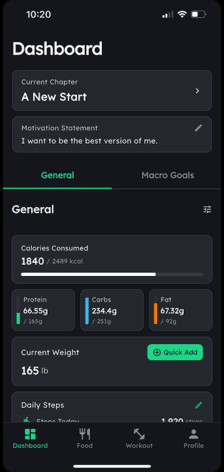
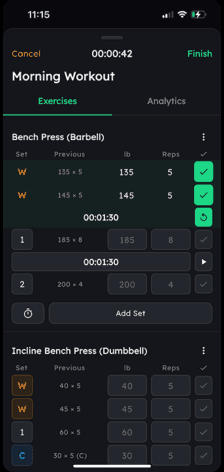
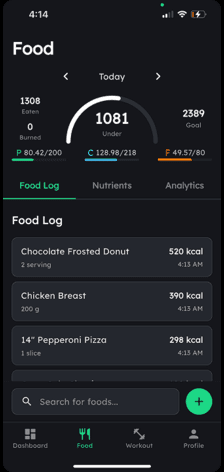
Stop guessing about your diet.
Track your food. Know exactly what you're eating every day.
No commitment · Cancel anytime
Why “Just Eating Healthy” Fails with Seed Oils
You might think, “I eat clean. I don’t have to worry about this.” This is the biggest trap. The reason so many people fail to reduce their seed oil intake is that these oils are hidden in plain sight, often in foods marketed as “healthy.”
Your “healthy” salad from a fast-casual restaurant? The dressing is almost certainly 90% canola or soybean oil. That grilled chicken sandwich? The bun is brushed with it, and the chicken was likely cooked in it. Even the mayonnaise is primarily seed oil.
Here are just a few places they hide:
- Salad Dressings: The number one ingredient after water is usually soybean or canola oil.
- Mayonnaise and Aiolis: These are emulsions of oil. Unless specified, it’s seed oil.
- Packaged Snacks: Crackers, chips, and cookies almost exclusively use them for cost and shelf life.
- Granola and Protein Bars: Flip over that “healthy” bar. You’ll likely find sunflower or canola oil.
- Plant-Based Meats: These products rely heavily on seed oils to create a desirable texture and mouthfeel.
- Almost All Restaurant Food: From fine dining to fast food, restaurants use massive jugs of cheap, neutral-flavored seed oil blends for nearly all their cooking.
This is why just “eating healthy” isn’t enough. You can have a diet full of salads, lean proteins, and whole grains but still be consuming a huge load of inflammatory omega-6 fats if you’re not paying attention to the ingredients in your sauces, dressings, and prepared foods. It’s a frustrating realization that you have to be a detective to eat truly clean.
The Practical 80/20 Rule for Managing Seed Oils
Trying to eliminate 100% of seed oils from your life is a recipe for burnout. It’s stressful, socially isolating, and ultimately unnecessary. A much more sustainable and effective approach is the 80/20 rule. Focus on what you can control-your home environment-and let go of the rest.
Step 1: Control Your 80% (Your Home)
This is where you have total power. The vast majority of your meals are likely prepared by you, in your own kitchen. This is your 80%. Make it a seed-oil-free zone. It’s simpler than it sounds.
First, audit your pantry. Get rid of the plastic jugs of vegetable, canola, corn, and sunflower oil. You don't need them.
Second, replace them with stable, healthier fats. Here’s your new toolkit:
- For High-Heat Cooking (Searing, Roasting >400°F): Avocado Oil, Ghee (clarified butter), Coconut Oil.
- For Low-to-Medium Heat (Sautéing): Extra Virgin Olive Oil, Butter.
- For Dressings and Drizzling: Extra Virgin Olive Oil.
Next, check your condiments. Look at the ingredients on your mayonnaise, salad dressings, and marinades. The first or second ingredient is likely soybean or canola oil. Either find brands that use avocado oil or olive oil (they exist, and are clearly labeled) or make your own. A simple vinaigrette is just olive oil, vinegar, salt, and pepper-it takes 30 seconds.
Step 2: Don't Stress About the 20% (Eating Out & Social Events)
This is the key to long-term success. When you eat at a restaurant, go to a party, or have dinner at a friend's house, assume you are eating seed oils. And be okay with it.
Ninety-nine percent of restaurants use them. It's a non-negotiable part of their business model. Asking a server to cook your food in a special oil is disruptive and often impossible. Don't be that person.
If 80% of your diet from home is clean and built on stable fats, the 20% of meals you eat out will not derail your progress. The body can handle an occasional hit. The problem is the chronic, daily deluge. By controlling your home environment, you’ve eliminated the deluge.
Step 3: Read Labels on Packaged Foods
This final step bridges the gap. When you buy a packaged food, take 5 seconds to scan the ingredient list. You're not looking for perfection, just awareness. If you're choosing between two brands of crackers and one uses olive oil while the other uses soybean oil, make the better choice.
This habit empowers you. You start to see which brands are cutting corners and which are using quality ingredients. Over time, your purchasing decisions will naturally favor better-made products without any extra effort.
Your diet. On track. Every day.
No more guessing. Know your numbers and see the results.
No commitment · Cancel anytime
What to Expect When You Reduce Seed Oils
Let’s be clear: cutting out seed oils is not a magic weight loss pill. Its impact is more subtle and is one part of a much larger health picture. Your results are tied to your overall diet and lifestyle, not just this one change. Here’s a realistic timeline and what you can actually expect.
First 2-4 Weeks: You Might Notice Nothing.
Changing the fatty acid composition of your body's cells takes time. Don't expect to feel like a new person overnight. The most immediate benefit is psychological: you've taken control of your food quality, which is a huge win.
Weeks 4-8: Potential Reduction in Low-Level Inflammation.
This is where some people start to feel a difference. It’s not dramatic. It might be waking up with slightly less stiffness, feeling less “puffy,” or noticing that minor aches and pains have subsided. This is the result of shifting your omega-6 to omega-3 ratio back toward a healthier balance.
Long-Term Benefit: Indirect Impact on Body Composition.
Reducing seed oils will not directly cause you to lose belly fat. A calorie deficit causes fat loss. Period. However, the process of reducing seed oils forces you to cook more at home and eat fewer processed foods and restaurant meals. This *indirectly* gives you far more control over your total calorie intake.
People who successfully cut out seed oils often lose weight not because of the oils themselves, but because they’ve inadvertently cleaned up their entire diet and are consuming fewer calories. They've replaced a 1,200-calorie restaurant meal with a 600-calorie home-cooked one. That's where the real magic happens for fat loss.
What not to expect is a miracle. This is a small but important optimization. It complements the big levers of health: hitting your protein goals, managing total calories, getting 7-9 hours of sleep, and resistance training. Don't major in the minors. Get the big rocks in place first, and then use a strategy like this to refine your approach.
Frequently Asked Questions
Is canola oil really that bad?
Canola oil is often marketed as a heart-healthy choice. While it has a better omega-6 to omega-3 ratio (around 2:1) than other seed oils, it is still a highly refined and processed product. For overall health and stability, unrefined fats like extra virgin olive oil and avocado oil are superior choices.
What about the smoke point of oils?
Smoke point is the temperature at which an oil begins to burn and smoke, creating harmful compounds. For high-heat cooking like searing a steak (400°F+), use avocado oil, ghee, or coconut oil. For general sautéing and roasting, extra virgin olive oil is perfectly safe and stable.
Will cutting out seed oils help me lose belly fat?
Not directly. You lose belly fat by being in a consistent calorie deficit. However, the lifestyle changes required to avoid seed oils-cooking at home, eating fewer processed foods-almost always lead to eating fewer calories. This is what drives fat loss, not the absence of the oil itself.
Is this just another diet fad?
The extreme “seed oils are poison” narrative has fad-like qualities. But the underlying principle-reducing your intake of processed omega-6 fats to improve your omega-6 to omega-3 ratio-is a sound nutritional concept. Focusing on whole foods and stable, traditional fats is timeless advice.
What if I can't afford avocado or olive oil?
This is a valid concern as quality oils can be expensive. Butter is an excellent and affordable choice for most cooking. If you're comfortable with animal fats, tallow and lard are extremely cheap, very stable for cooking, and do not have the high omega-6 issue. They are far better choices than industrial seed oils.
Conclusion
Don't treat seed oils like acute poison, but don't dismiss the concerns either. View them as what they are: a massive, unprecedented source of processed omega-6 fats in the human diet.
By applying the 80/20 rule, you can eliminate the vast majority of your intake without adding stress or social friction to your life. Control your home, and let go of the rest. This one simple shift puts you back in the driver's seat of your own health.
All content and media on Mofilo is created and published for informational purposes only. It is not intended to be a substitute for professional medical advice, diagnosis, or treatment. Always seek the advice of your physician or other qualified health provider with any questions you may have regarding a medical condition, including but not limited to eating disorders, nutritional deficiencies, injuries, or any other health concerns. If you think you may have a medical emergency or are experiencing symptoms of any health condition, call your doctor or emergency services immediately.
Read more blogs
How to Keep Your Cut on a 10-Day Vacation Without Tracking
What You'll Learn in 8 Min
- •Why eating at maintenance primes future fat loss
- •What really causes that post-trip scale weight jump
- •How protein and walking replace calorie logging
The Body Recomposition Timeline: Month-by-Month Expectations
What You'll Learn in 11 Min
- •Why strength jumps in week 4 before new muscle grows
- •How deep calorie cuts actively block tissue synthesis
- •Which lifters see physical changes in just two months
Can Beginners Actually Recomp? The Science of Newbie Gains and When to Bulk or Cut
What You'll Learn in 13 Min
- •Why new lifters can build muscle in a calorie deficit
- •Which body fat percentages require a calorie surplus
- •When the initial muscle recomp window actually ends